
A leather sofa can be a beautiful and practical addition to your living room, but it needs the right care to stay looking its best. Everyday use can leave behind dust, body oils, food marks, fingerprints and accidental spills. Over time, these can affect the appearance and feel of the leather.
The good news is that regular maintenance and careful cleaning can help keep your sofa in good condition. However, not all leather is the same. Genuine leather, aniline leather, pigmented leather and faux leather can all react differently to cleaning products and moisture.
In this guide, we explain how to clean a leather sofa, how to choose the right leather sofa cleaner, and how to deal with common problems such as grease, ink marks and scratches. We also share practical leather sofa cleaning tips and explain how to maintain a leather sofa so it lasts longer. You can also explore our upholstery cleaning services for advice and professional care for other upholstered furniture.
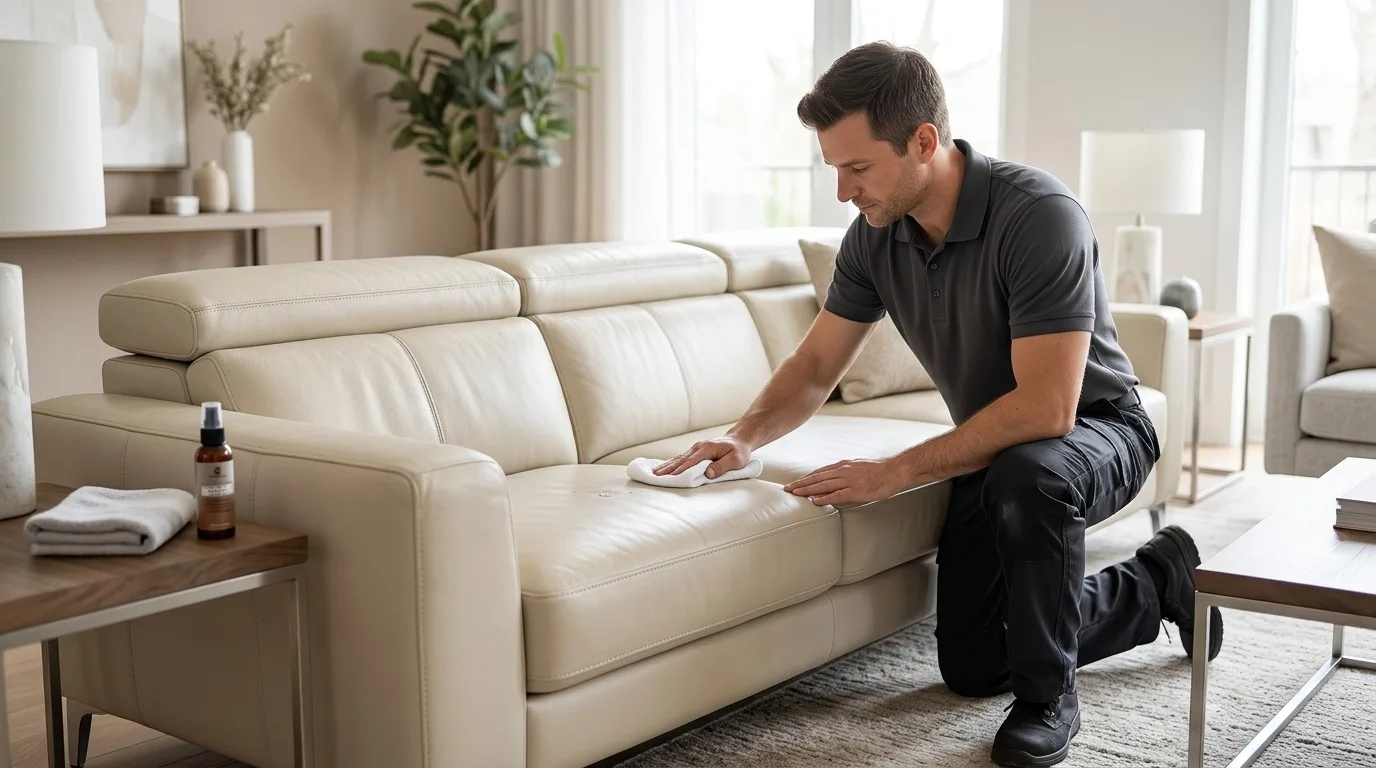
How to Clean a Leather Sofa at Home
Before cleaning your sofa, identify the type of leather and check the manufacturer's care instructions. A product that is suitable for one leather finish may damage another.
The same method applies whatever you call it. If you are looking for how to clean a leather couch, or how to clean leather furniture such as armchairs and footstools, these steps work in the same way.
For general maintenance, follow these steps:
- Remove loose cushions: If possible, take off removable cushions to reach dust and debris around the seating area.
- Vacuum carefully: Use a suitable soft upholstery attachment to remove loose dirt from the seats, seams and crevices.
- Wipe the surface: Use a clean, soft cloth that is appropriate for the leather finish.
- Treat marks carefully: Use a leather-specific cleaner approved for your sofa. Follow its instructions and test it on a hidden area first.
- Remove residue: Follow the cleaner's instructions for wiping away any remaining product.
- Dry naturally: Allow the surface to dry without using direct heat.
Do not use large amounts of water, abrasive sponges or general-purpose household cleaning products unless the manufacturer specifically recommends them.
What Is the Best Leather Sofa Cleaner?
The best leather sofa cleaner is one that is specifically formulated for your sofa's leather type and finish.
Before buying a leather sofa cleaner, consider the following:
- Leather type: Genuine, aniline, semi-aniline, pigmented and faux leather may require different products.
- Manufacturer guidance: Check whether your sofa manufacturer recommends particular cleaning products.
- Product suitability: Make sure the cleaner is labelled as suitable for your specific material.
- Application method: Some products are applied with a cloth, while others have different instructions.
- Colour compatibility: Test the cleaner on an inconspicuous area to check for colour changes or damage.
A cleaner designed for pigmented leather may not be appropriate for delicate aniline leather. Similarly, a product intended for genuine leather may not be suitable for faux leather.
Avoid choosing a product simply because it is described as strong or powerful. A gentle, suitable cleaner is generally a better starting point than an aggressive household chemical.
How to Clean a Real Leather Sofa
Real leather requires careful maintenance because different finishes have different levels of protection.
For a sofa with a finished or pigmented leather surface, the following general approach may be suitable if approved by the manufacturer:
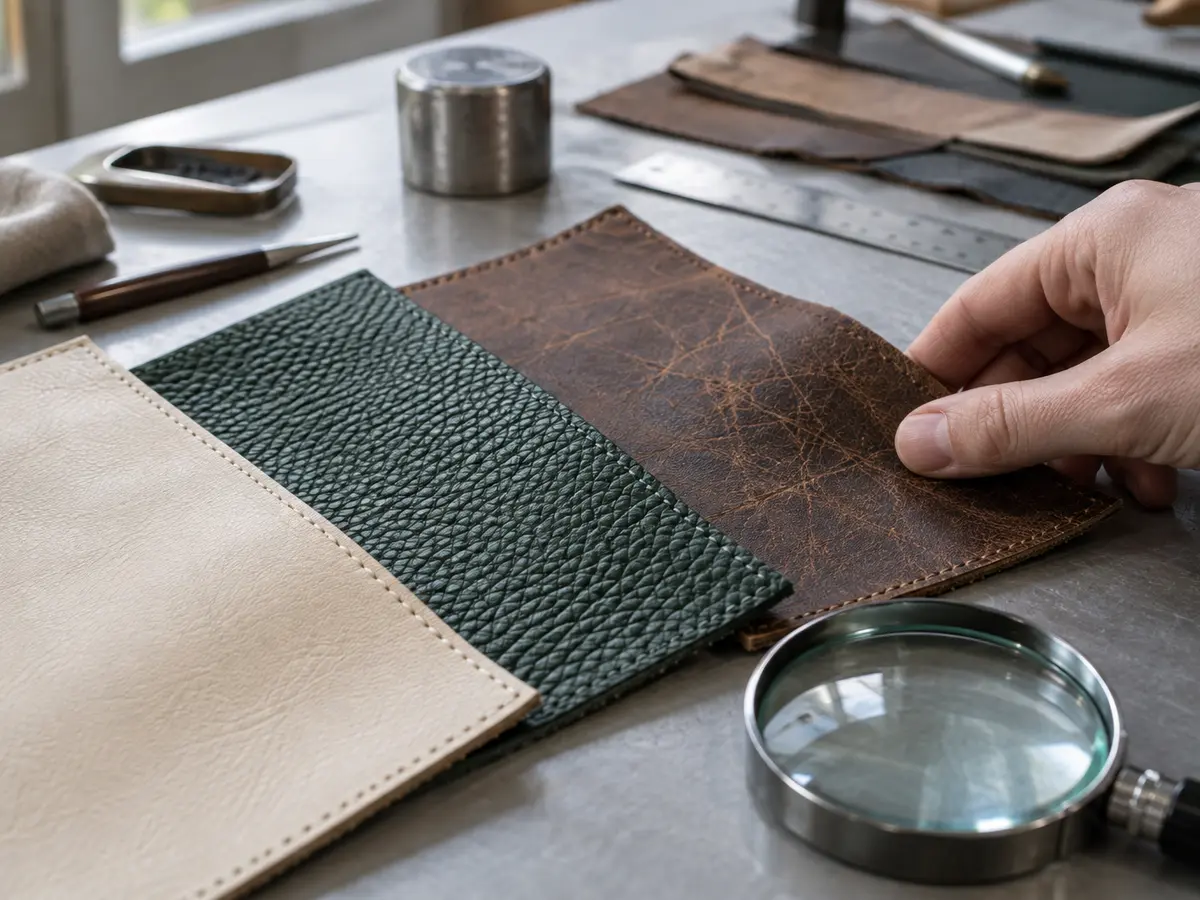
- Remove loose dust and debris with a soft brush or suitable vacuum attachment.
- Apply a small amount of an approved leather cleaner to a clean cloth.
- Gently wipe the affected area, following the product instructions.
- Avoid rubbing too hard or repeatedly scrubbing one spot.
- Remove any remaining product as directed.
- Allow the leather to dry naturally.
Aniline and other more absorbent leather finishes can be particularly sensitive to moisture and cleaning products. Do not use a general cleaning method on these surfaces without checking the manufacturer's advice.
If you are unsure whether your sofa is suitable for home cleaning, professional advice can help you avoid accidental damage.
How to Clean a Faux Leather Sofa
Faux leather, sometimes called synthetic or artificial leather, is designed to resemble genuine leather. It generally has a different surface construction and may require a different cleaning product.
To clean a faux leather sofa:
- Remove loose dust using a soft cloth or suitable vacuum attachment.
- Check the manufacturer's care instructions.
- Use a cleaner specifically approved for faux leather.
- Apply it to a soft cloth rather than spraying large amounts directly onto the sofa.
- Gently wipe the surface without scrubbing.
- Remove any residue according to the product instructions.
- Dry the sofa with a clean, soft cloth if the product instructions recommend it.
Avoid harsh solvents, abrasive pads and excessive moisture. These may affect the surface coating or cause discolouration, cracking or peeling.
Remember that faux leather is not cleaned in exactly the same way as genuine leather. Always use a product suitable for the material.
How to Clean a White or Cream Leather Sofa
White and cream leather sofas can show dirt, marks and discolouration more easily than darker furniture. Regular maintenance is therefore particularly important.
How to Clean a White Leather Sofa
To clean a white leather sofa:
- Remove loose dust and debris.
- Check the manufacturer's cleaning instructions.
- Use a suitable leather cleaner approved for white leather.
- Test the product on a hidden area.
- Gently wipe small sections using a clean cloth.
- Follow the product instructions for removing residue.
- Allow the sofa to dry naturally.
Avoid using bleach or strong household cleaners to brighten the leather. These can damage the finish and may make discolouration worse.
How to Clean a Cream Leather Sofa
Cream leather can develop visible marks from everyday contact, clothing dye, food and body oils.
Use a cleaner suitable for the exact leather finish, and treat marks as soon as practical. Avoid scrubbing repeatedly in an attempt to restore the original colour.
Some stains may have penetrated the leather or permanently affected its finish. In these situations, professional leather cleaning may be more appropriate than repeated home treatments.
How to Remove Stains from a Leather Sofa
The correct method for removing a stain depends on the type of leather and the substance that caused the mark.
Always check the manufacturer's advice, test any product on a hidden area and avoid applying too much liquid.
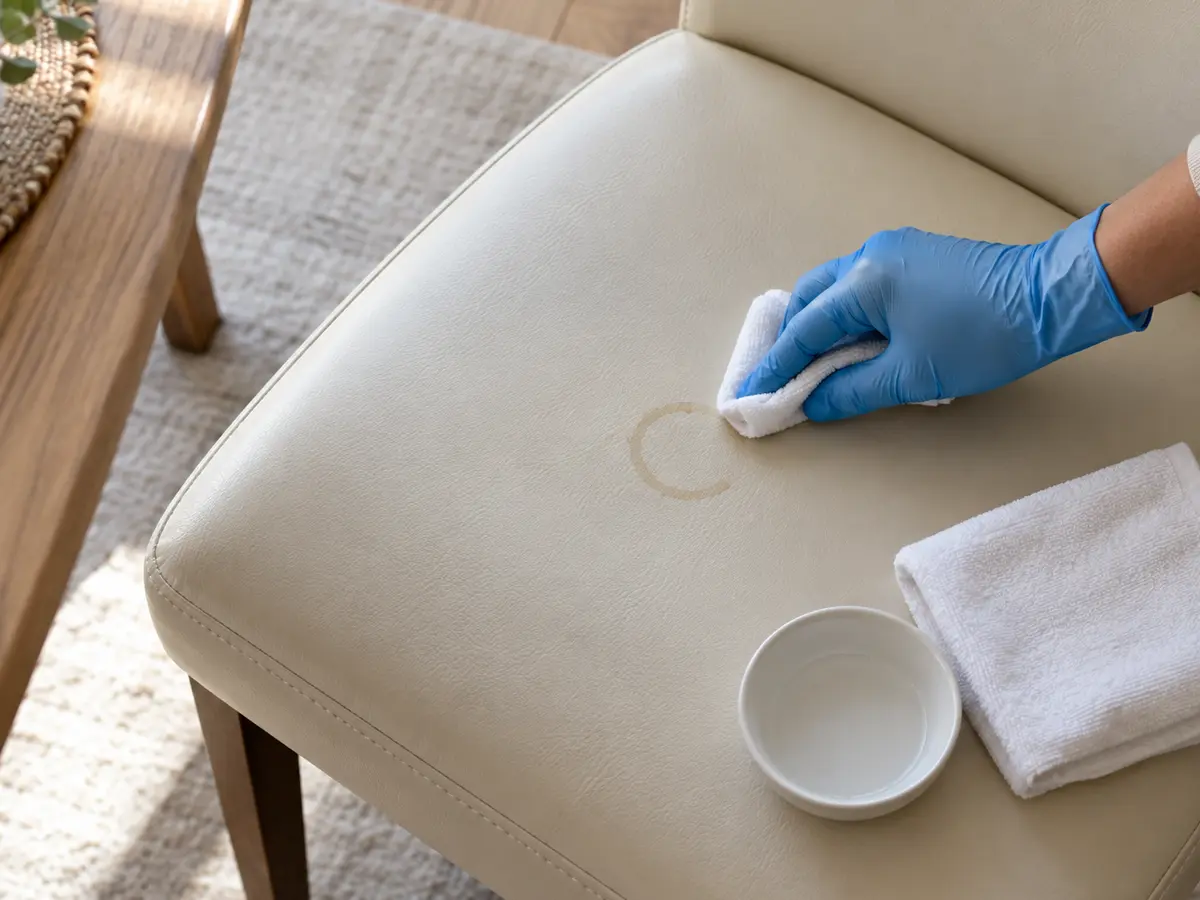
How to Remove Grease Stains from a Leather Sofa
Grease stains can come from food, skin oils, hair products and other everyday substances.
If you notice a fresh grease mark:
- Carefully remove any solid residue without spreading it.
- Gently blot the area if there is excess surface grease.
- Avoid rubbing or pressing the grease deeper into the leather.
- Use a cleaner approved for your leather type, following its instructions.
- Allow the area to dry naturally.
Do not automatically use washing-up liquid, solvents or household degreasers. These can strip protective finishes or change the appearance of the leather.
For older or larger grease stains, seek professional advice before trying stronger treatments.
How to Remove Ink Stains from a Leather Sofa
Ink stains can be difficult to remove, particularly from light-coloured leather.
Follow these precautions:
- Avoid rubbing the ink mark.
- Do not spread the stain by wiping across a large area.
- Check the sofa manufacturer's cleaning recommendations.
- Use an ink-removal product only if it is specifically approved for your leather type.
- Test the product in a hidden area before treating the visible stain.
Avoid applying alcohol, nail polish remover or other solvents without professional guidance. They may remove the leather's colour or protective coating along with the ink.
If the ink has penetrated the leather, professional treatment may be needed.
How to Remove Scratches from a Leather Sofa
Scratches can make a leather sofa look worn, especially when they appear on frequently used seating areas.
However, not every scratch is the same. Some are light surface marks, while others involve damage to the leather finish or the material itself.
For minor marks:
- Check whether the mark is simply surface dirt or a change in the leather finish.
- Use a soft cloth and a cleaner approved for the leather type.
- Avoid scraping or rubbing the mark aggressively.
- Do not apply oils, polish or coloured products unless they are recommended for the sofa.
Deeper scratches, peeling, cracking and colour loss may require specialist leather repair rather than ordinary cleaning.
How to Clean a Leather Sofa Naturally
Many people prefer to use simple household products when cleaning furniture. However, natural does not always mean safe for leather.
Ingredients such as vinegar, lemon juice and baking soda can be too harsh or abrasive for some leather finishes. They may affect the colour, surface coating or texture.
If you want to keep your cleaning routine simple:
- Start by removing loose dust with a soft cloth.
- Check the manufacturer's care instructions.
- Use a small amount of a suitable leather-approved cleaner.
- Wipe gently and avoid excessive moisture.
- Allow the sofa to dry naturally.
For delicate or expensive leather furniture, using an approved specialist product is generally safer than experimenting with homemade cleaning mixtures.
Leather Sofa Care and Maintenance Tips
Regular leather sofa care can help reduce the build-up of dirt and make leather furniture cleaning easier.
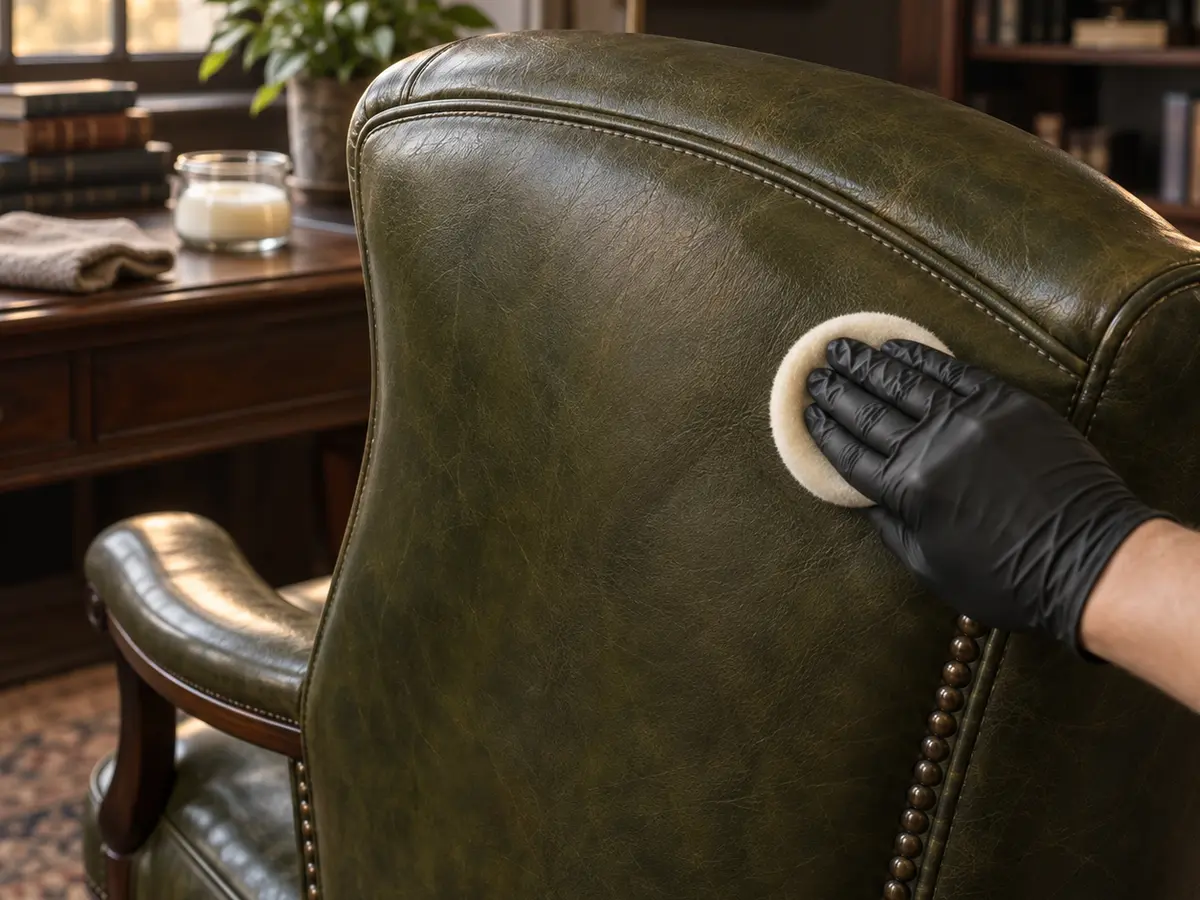
Here are some useful habits to follow:
1. Dust Your Sofa Regularly
Use a clean, soft cloth to remove dust from the seating areas, arms and backrest. This helps prevent loose dirt from accumulating.
2. Clean Spills Promptly
Deal with spills as soon as possible, using the method recommended for your leather type. Blot rather than rub.
3. Keep Your Sofa Away from Direct Heat
Radiators, heaters and direct sunlight can affect some leather finishes over time. Position your sofa away from strong heat sources where practical.
4. Use Suitable Leather Care Products
Only use cleaning and conditioning products that are compatible with your sofa's material and finish. Not every leather sofa needs the same treatment.
5. Avoid Sharp and Abrasive Objects
Pets' claws, sharp accessories and rough materials can scratch or damage the leather surface.
6. Follow the Manufacturer's Instructions
The manufacturer's care guidance should always take priority over general online cleaning advice.
7. Avoid Excessive Moisture
Too much water can leave marks or affect some leather finishes. Use only the amount of product recommended for the material.
How Often Should You Clean a Leather Sofa?
The ideal cleaning routine depends on how frequently the sofa is used and the environment in which it is kept.
A simple maintenance routine could include:
- Weekly: Remove loose dust and crumbs from the surface and crevices.
- As needed: Deal with spills and marks using an approved cleaning method.
- Periodically: Carry out a more thorough clean using a suitable leather care product.
- When recommended: Apply a leather conditioner if the manufacturer advises it for your sofa's finish.
Avoid over-cleaning. Using products too frequently or applying unnecessary conditioning treatments can cause problems with some leather finishes.
Common Leather Sofa Cleaning Mistakes to Avoid
Using the wrong cleaning method can cause more damage than the original stain. Avoid these common mistakes:
- Using bleach or strong household chemicals.
- Applying vinegar or lemon juice without manufacturer approval.
- Scrubbing leather with abrasive brushes or rough sponges.
- Soaking the sofa with water.
- Using a cleaner intended for a different leather type.
- Applying oils or conditioners without checking suitability.
- Ignoring the manufacturer's care instructions.
- Trying to remove difficult ink or grease stains with solvents.
When in doubt, stop and seek advice before treating a delicate leather surface.
When Should You Consider Professional Leather Sofa Cleaning?
Home cleaning is useful for routine maintenance and some minor marks. However, professional cleaning may be a better choice when your sofa has stubborn stains, widespread dirt or delicate leather that needs specialist attention.
Consider professional leather sofa cleaning if:
- Your sofa has persistent stains or discolouration.
- You are unsure which leather type you own.
- Home cleaning has not improved the appearance.
- You are worried about damaging a delicate finish.
- Your sofa needs a more thorough clean.
At Fresh Loom Carpet & Upholstery Cleaning, we understand that leather requires careful handling. The right cleaning approach depends on the type of leather, its finish and its overall condition. If your sofa needs specialist attention, our team can help you explore the most suitable leather cleaning service for your furniture.
Frequently Asked Questions About Leather Sofa Cleaning
What is the best way to clean a leather sofa?
The best method depends on the leather type and finish. Generally, remove loose dust with a soft cloth, then use a leather cleaner approved by the manufacturer. Avoid excessive moisture and harsh chemicals.
What is the best leather sofa cleaner?
The best leather sofa cleaner is one that is specifically designed for your sofa's material and finish. Always check the product label and manufacturer recommendations before use.
Can I clean a leather sofa with water?
Some leather finishes may tolerate careful wiping with a slightly damp cloth, but others are more sensitive to moisture. Follow the manufacturer's instructions and never soak the leather.
Can I use vinegar to clean a leather sofa?
Vinegar is not suitable for every type of leather. Its acidity may affect certain finishes, so it is best to avoid homemade vinegar mixtures unless the sofa manufacturer specifically recommends them.
How do I clean a cream leather sofa without damaging it?
Use a leather cleaner approved for the sofa's exact finish. Test it in a hidden area, work gently and avoid bleach or aggressive stain removers.
How do I remove ink from a leather sofa?
Ink removal depends on the leather finish and how deeply the stain has penetrated. Use only a product approved for the material and avoid solvents such as nail polish remover or alcohol unless specifically recommended.
Can I use the same cleaner on real and faux leather?
Not necessarily. Real and faux leather have different surface properties and may require different cleaning products. Check the product label and sofa care instructions.
How often should I clean my leather sofa?
Remove dust regularly and deal with spills as soon as possible. Carry out deeper cleaning only when needed and according to the manufacturer's care recommendations.
How can I keep my leather sofa looking new?
Dust it regularly, clean spills promptly, use suitable leather care products and keep it away from excessive heat and direct sunlight. Avoid harsh chemicals and abrasive cleaning tools.
Final Thoughts
Learning how to clean a leather sofa is about more than removing visible dirt. It is also about understanding the material, choosing the right cleaner and avoiding methods that could damage the leather.
Whether you have a genuine leather, faux leather, white or cream sofa, always check its care instructions before cleaning. Regular maintenance can help keep your furniture looking presentable, while professional cleaning may be useful for more difficult stains and heavily soiled surfaces.
If your sofa needs specialist attention, Fresh Loom Carpet & Upholstery Cleaning can help you find a suitable cleaning solution. Learn more about our leather cleaning services and the care we provide for upholstered furniture.